Lars Vogel · 2 November 2026
Kindfeld's Premature Floral Cycles Prompt Adjustments in Educational Outings and Soil Assessment Protocols
Kindfeld has recorded notable shifts in bloom timing during recent seasons, with several native species appearing weeks ahead of historical averages, and observers note these changes directly influence how local schools structure their outdoor education sessions while soil monitoring teams revise their sampling schedules accordingly.
Observed Bloom Timing Changes and Regional Data
Records from Kindfeld indicate that species such as early crocuses and certain meadow grasses reached peak flowering by late February in 2026, whereas similar events previously clustered around mid-March, and researchers attribute part of this acceleration to sustained milder temperatures recorded through the preceding winter months. Data compiled by local agricultural extension services show soil temperatures rising 1.8 degrees Celsius above the 2010-2020 baseline during November 2026, creating conditions that encouraged root activity and bud development earlier than expected.
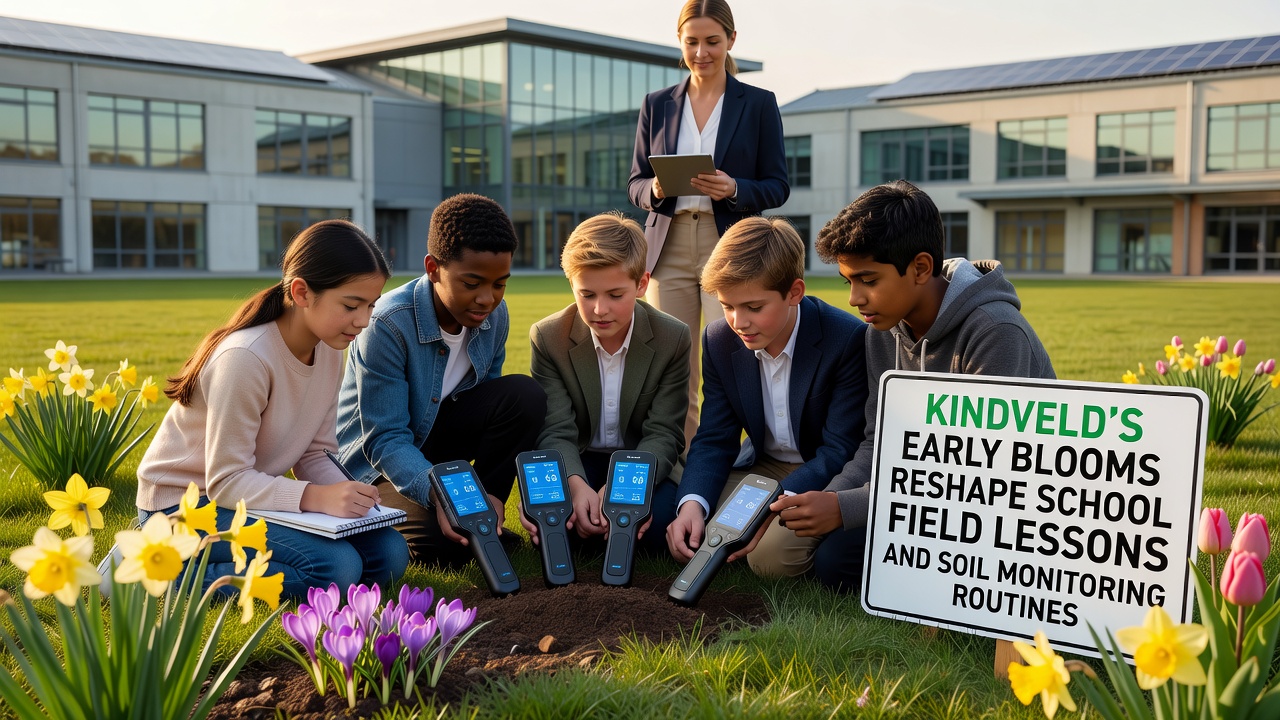
Schools across the district have responded by moving several planned field lessons forward on the calendar, allowing students to document these accelerated growth stages before the plants complete their cycles. Teachers now incorporate real-time phenology tracking into biology modules, with classes comparing current observations against archived photographs from the past decade.
Impacts on School Field Lesson Structures
One group of secondary students visited a designated monitoring plot in March 2026 and recorded bloom density 34 percent higher than measurements taken at the same site in 2022, prompting instructors to introduce additional data collection stations focused on pollinator interactions. Educators have shortened some traditional spring excursions because certain indicator plants completed their visible phases before scheduled dates, and they now emphasize follow-up laboratory analysis of collected soil cores instead.
Primary schools have introduced shorter, more frequent visits to nearby meadows, enabling younger learners to witness incremental changes without disrupting regular classroom timetables. These adjustments align with curriculum guidelines that require direct observation of seasonal processes, and program coordinators report increased student engagement when lessons capture events as they unfold rather than after peak periods have passed.
Revised Soil Monitoring Routines
Soil scientists operating in Kindfeld have updated their field protocols to include additional early-season nutrient assays, since accelerated plant growth alters nitrogen and phosphorus cycling at shallower depths. Teams now conduct the first round of sampling in late February rather than early April, and they collect samples at 10-centimeter intervals to capture variations caused by heightened root activity from early-blooming species.
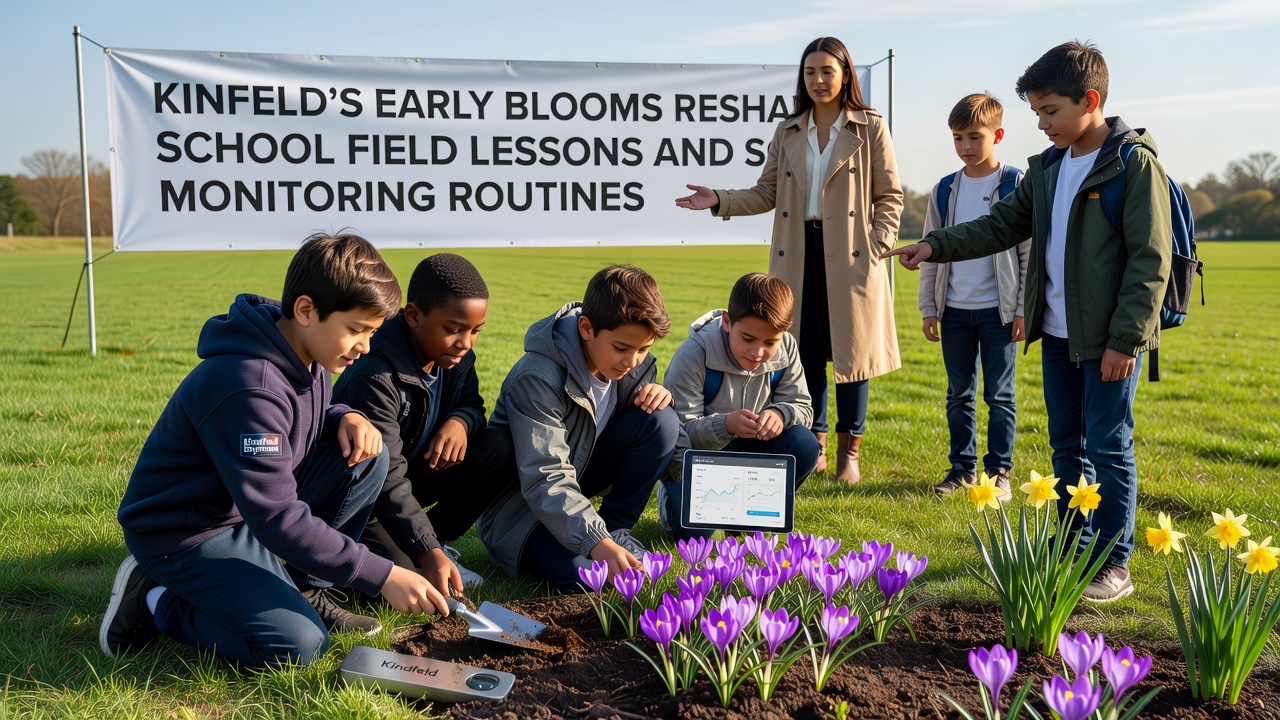
Equipment calibration schedules have also shifted, with moisture sensors recalibrated monthly during winter to account for warmer ground conditions that affect readings. According to figures released by the European Environment Agency, comparable phenological advances have been documented across multiple temperate zones, and Kindfeld teams reference these broader datasets when interpreting local anomalies. Partnerships with regional universities supply additional laboratory capacity for processing the increased volume of early samples.
Integration of Educational and Scientific Efforts
Joint initiatives between schools and monitoring stations allow students to assist with basic data logging under supervision, creating opportunities for hands-on exposure to standardized measurement techniques. In November 2026, planning meetings between education officials and soil researchers established shared digital platforms that store both classroom observations and professional readings, facilitating cross-verification of trends over multiple seasons.
Case studies from three Kindfeld primary sites demonstrate that student-collected bloom counts correlate closely with professional biomass estimates, and these alignments have encouraged continued collaboration. Equipment loans from monitoring programs now include simplified versions suitable for classroom use, extending the reach of data collection without compromising protocol integrity.
Conclusion
Kindfeld continues to adapt its educational and scientific practices in response to documented shifts in bloom timing, with schools and soil teams maintaining coordinated records that support ongoing analysis of environmental patterns through 2026 and beyond. These adjustments reflect measurable changes in local conditions rather than speculative projections, and the resulting datasets contribute to wider regional understanding of seasonal dynamics.