Felix Bauer · 5 October 2026
Kindfeld's River Restoration Sparks New Partnerships Between Local Youth and Regional Transport Planners
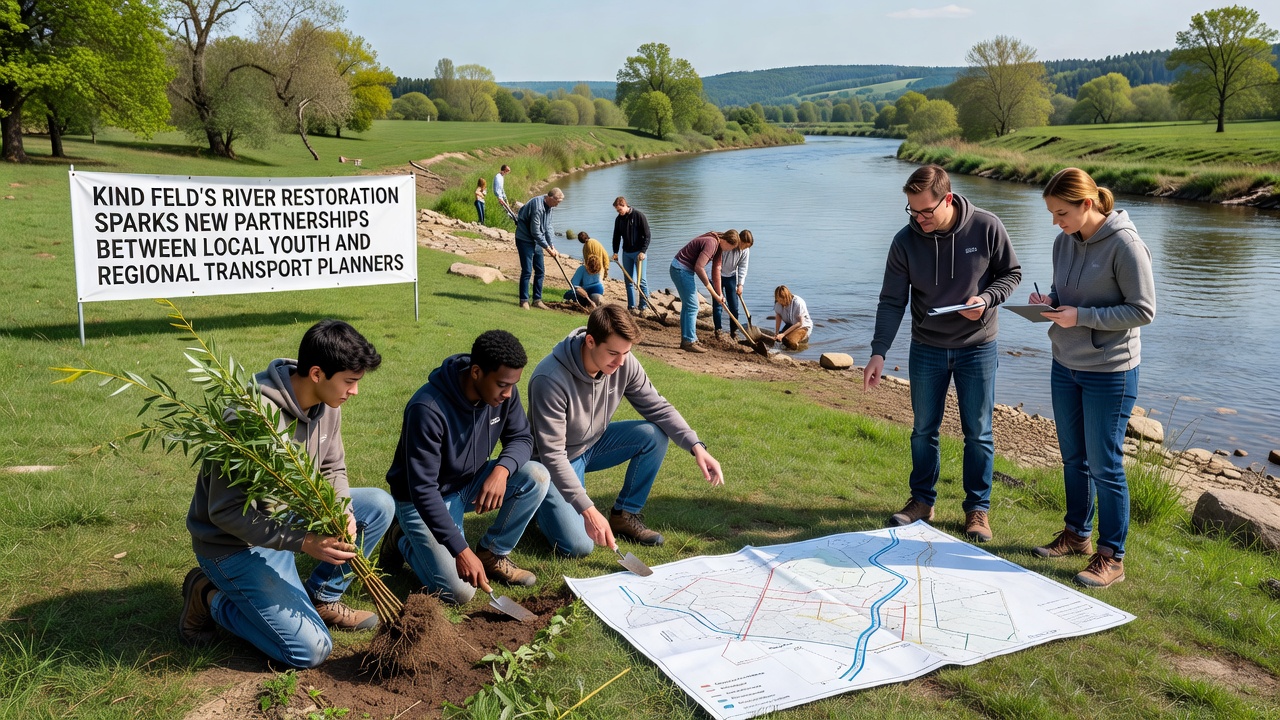
Kindfeld's river restoration project has brought together local youth groups and regional transport planners in coordinated efforts that began gaining momentum earlier this year, and these collaborations continue to expand through joint planning sessions and field work along the waterway. The initiative focuses on stabilizing riverbanks, improving water flow, and integrating sustainable pathways that connect restored sections with existing transport corridors, while data from monitoring stations shows measurable improvements in sediment levels and habitat diversity since the work started.
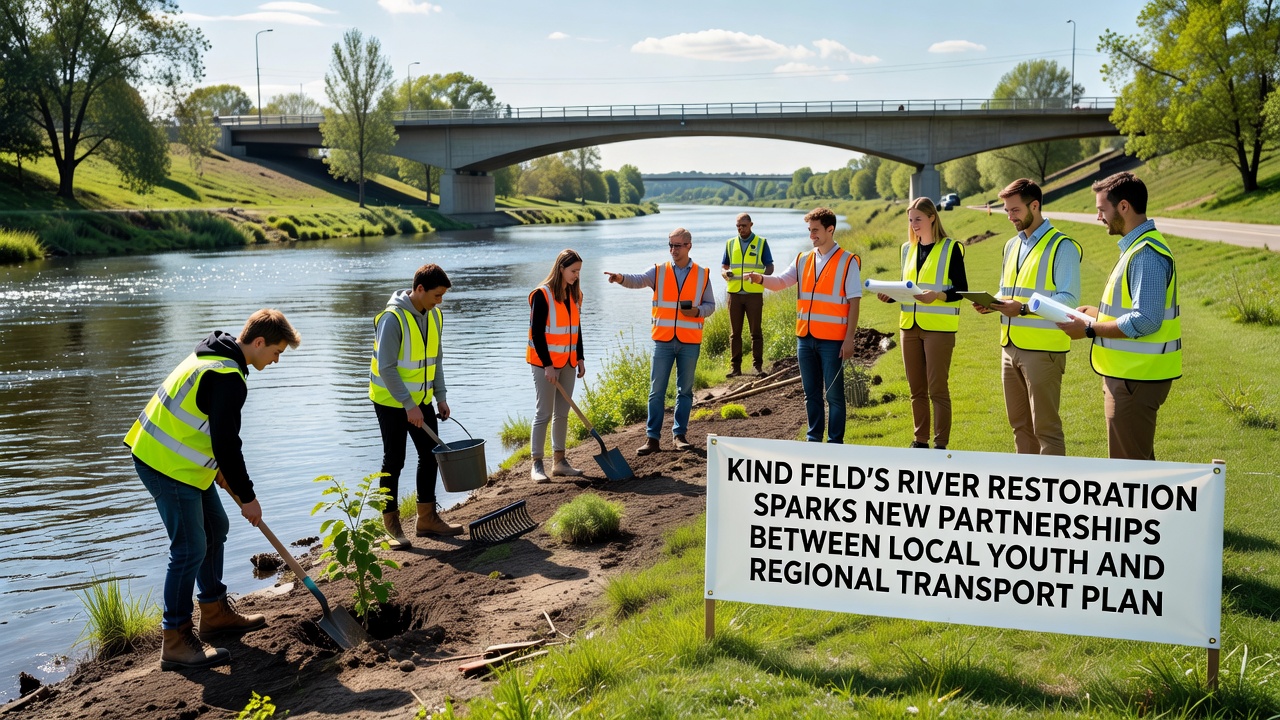
Regional authorities launched the restoration phase in early 2025 after hydrological assessments identified erosion hotspots and outdated infrastructure that affected both ecological balance and commuter routes, and planners quickly recognized that involving younger residents could strengthen long-term maintenance strategies. Transport departments from surrounding districts contributed mapping resources and traffic flow models that helped align restoration zones with proposed bike lanes and pedestrian bridges, which in turn created opportunities for youth participants to contribute fresh perspectives on accessibility and community usage patterns.
Project Background and Initial Coordination
Kindfeld lies along a mid-sized river that has supported agriculture and local movement for generations, yet decades of channelization and urban expansion reduced natural meanders and increased flood risks during heavy rains, according to records from environmental monitoring programs. Restoration teams began by removing concrete reinforcements in targeted stretches and planting native vegetation to reinforce banks, while transport planners overlaid these changes onto regional mobility maps to ensure new trails would not conflict with bus routes or freight access points.
Youth organizations entered the process through school-based environmental clubs and community service programs, and their first contributions involved collecting baseline data on water quality and wildlife sightings that complemented technical surveys already underway. These early exchanges led to regular workshops where participants reviewed design proposals side by side, allowing transport specialists to adjust bridge placements and pathway widths based on feedback about daily travel needs expressed by younger residents who use the area for commuting to education and training centers.
Youth Involvement and Skill Development
Local youth have taken part in hands-on activities such as native species planting and erosion monitoring, and these tasks have been scheduled around academic calendars so that participants can earn practical credits while gaining exposure to careers in environmental management and infrastructure planning. Training modules developed jointly by restoration coordinators and transport agencies cover topics like GIS mapping and stakeholder consultation, and several participants have since applied these tools in follow-up projects that extend beyond the river corridor itself.
By October 2026 the partnership will host a series of open mapping sessions where youth teams present updated route suggestions that incorporate restored river access points, and transport planners will evaluate these ideas against projected ridership and safety standards drawn from comparable European and North American case studies. Figures from similar initiatives indicate that such cross-generational input often results in higher adoption rates for new pathways once construction concludes.
Transport Planning Integration
Regional transport planners have incorporated river restoration milestones into broader network updates, including the redesign of several feeder roads that previously funneled runoff directly into the waterway, and these adjustments now feature permeable surfaces and vegetated swales that slow water movement while maintaining vehicle access. Coordination meetings occur monthly at a central community hall, where project leads share progress reports on both ecological indicators and traffic impact assessments.
One study conducted by an Australian research institute found that linking waterway rehabilitation with active transport infrastructure can reduce localized flooding incidents by up to 18 percent over five years, and Kindfeld teams have referenced those findings when prioritizing sections for phased work. Partnerships have also drawn on Canadian federal guidelines for youth engagement in infrastructure projects, which emphasize measurable skill transfer and sustained involvement beyond initial construction phases.
Upcoming Activities and Monitoring
Plans for October 2026 include a joint field day that combines water sampling with traffic counting at newly installed crossings, and results will feed into an annual report distributed to both environmental agencies and municipal councils. Youth participants will lead sections of the presentation, demonstrating how their collected datasets align with transport models to predict usage once full connectivity is restored.
Equipment loans from regional offices have allowed schools to maintain ongoing sensor networks along the river, and data streams now inform real-time adjustments to both restoration planting schedules and temporary traffic diversions during peak construction periods. Observers note that this continuous feedback loop has shortened decision timelines compared with earlier sequential approaches that kept ecological and transport work separate.
Conclusion
The Kindfeld river restoration continues to demonstrate how integrated planning between youth groups and transport authorities can align ecological recovery with practical mobility improvements, and ongoing measurements will track whether these partnerships produce lasting changes in both river health and local travel patterns. Records from the project remain available through municipal archives for reference by other districts considering similar cross-sector efforts.